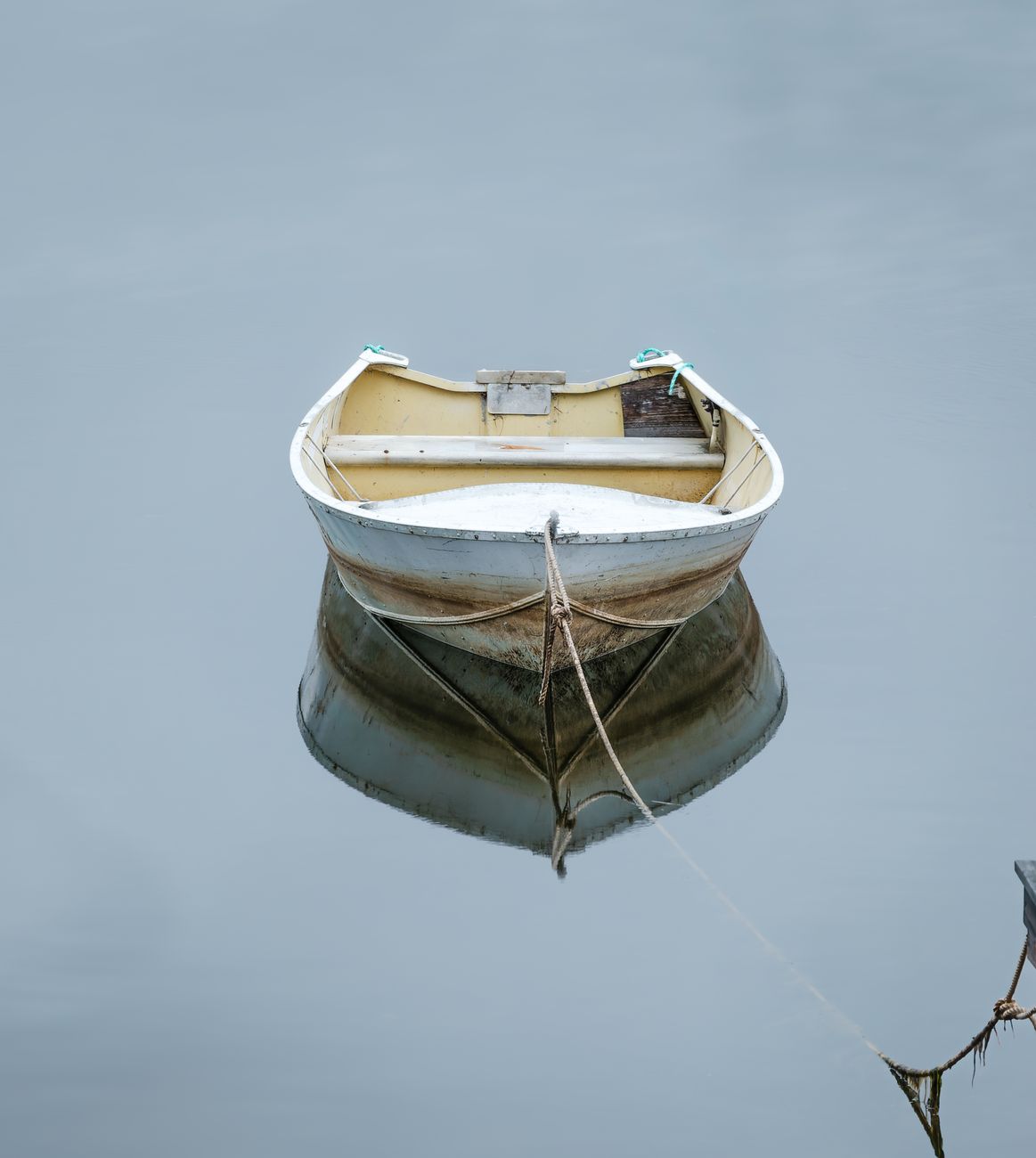
Be Still, and Know

Photo by Warren Griffiths on Pexels.com

It is possible to stop working without actually resting.

You can leave the office while continuing the conversation in your head. You can sit down while mentally working through tomorrow’s list. You can take a day off and spend most of it thinking about everything you aren’t getting done. You can even go on vacation and bring your worries with you.

Sometimes our bodies stop long before our minds do.

Last week I wrote about Jesus telling His disciples, “Come away…and rest a while.” There is something important about recognizing our limits and learning to stop. But stopping and resting are not always the same thing. Sometimes we stop what we are doing only to discover how much we are still carrying.

Perhaps that is one reason these familiar words from Psalm 46 are so important: “Be still, and know that I am God.” – Psalm 46:10

Psalm 46 is not describing peaceful circumstances. The earth gives way. Mountains are moved. Waters roar. Nations rage. Kingdoms totter. And right in the middle of all that turmoil, God says, “Be still, and know that I am God.”

In other words, this isn’t simply an invitation to find a quiet place. It is a call to stop striving and remember who is actually in control.

Notice that God doesn’t simply say, “Be still.” He says, “Be still, and know.” Biblical stillness is not merely inactivity. It gives us an opportunity to remember what our anxious activity so easily forgets.

He is God. I am not.

He is sovereign. I am not.

He knows what tomorrow holds. I do not.

He is able to carry what I cannot.

He is at work in places I cannot see, and in circumstances I cannot control.

Sometimes the hardest part of resting isn’t stopping what our hands are doing. It is releasing what our hearts are carrying.

We rehearse conversations that have already happened.

We anticipate problems that haven’t happened.

We imagine outcomes.

We try to solve tomorrow’s difficulties today.

And somewhere along the way, we can begin carrying responsibilities God never actually gave us. That can feel like responsibility. It can even feel productive. But there are things we simply cannot control, no matter how many times we turn them over in our minds.

Jesus asked a wonderfully simple question: “And which of you by being anxious can add a single hour to his span of life?” – Matthew 6.27

Worry accomplishes remarkably little for all the energy it consumes. Perhaps that is why genuine rest requires more than an empty calendar. It requires trust.

There are burdens we need to put down. There are questions we need to leave unanswered. There are circumstances we need to entrust to God. There are conversations we cannot control. There are outcomes we cannot guarantee. And there are tomorrows we need to leave where God put them – in tomorrow.

None of this means that we stop caring, planning, praying, or acting responsibly. It means that after we have done what God has given us to do, we trust Him with what He has not given us to control.

That may be one of the hardest forms of rest. But it may also be one of the sweetest. “Be still, and know that I am God.”

Sometimes we need to stop long enough to remember who God is.

And sometimes remembering who God is is what finally allows our hearts to rest.

Come Away and Rest Awhile

There is almost always something else that could be done.

Another email could be answered. Another project could be finished. Another room could be cleaned. Another phone call could be made. Another problem could be solved.

And if we aren’t careful, we can begin to live as though stopping is irresponsible.

After all, Scripture has a great deal to say about hard work. God does not commend laziness. We are called to diligence, faithfulness, and making good use of the time He gives us. There is something good about going to bed tired after a day spent doing what God has given us to do.

But apparently faithfulness also includes knowing when to stop.

After a particularly busy season of ministry, Jesus said to His disciples, “Come away by yourselves to a desolate place and rest a while.” – Mark 6.31

What makes those words especially striking is what Mark tells us next: “For many were coming and going, and they had no leisure even to eat.” There were people everywhere. There were needs to be met. There was ministry to be done. And Jesus said, Come away and rest. That is worth thinking about.

Sometimes we imagine that rest is what we do when everything else is finished. We will slow down when the project is completed. We will take some time off when things settle down. We will rest when there is nothing pressing that needs our attention.

The problem is that everything is rarely finished. There will always be something more we could do. Which means that if we only permit ourselves to rest when there is nothing left to do, we may never really rest at all.

Perhaps learning to rest is also learning to trust.

There is a kind of humility in stopping. When I stop working, I am reminded that I am not indispensable. I have limits. I get tired. I need sleep. I need quiet. I need time away. God made me that way. And while I rest, God does not.

The psalmist says, “He who keeps Israel will neither slumber nor sleep” (Psalm 121.4). What a comforting distinction. I need rest. God does not.

The world does not depend upon my constant activity. My family does not ultimately depend upon me. My church does not ultimately depend upon me. My work does not ultimately depend upon me. Everything ultimately depends upon Him.

That doesn’t make me less diligent. It frees me to work hard when it is time to work – and to rest without guilt when it is time to rest.

Of course, there are seasons that require unusual effort. There are late nights and early mornings. There are emergencies and deadlines. There are babies who don’t sleep, people who need us, unexpected problems, and responsibilities that cannot simply be postponed.

Sometimes faithfulness really does require us to keep going when we would rather stop. But those seasons should also remind us why rhythms of rest matter.

We were never designed for constant activity. And sometimes our refusal to stop may say less about our diligence than we think. It may reveal how difficult it is for us to believe that things can continue without us.

Rest reminds us that we are creatures – and God is God.

So sometimes the godly thing to do really is to take the afternoon off. To go for a walk. To sit somewhere quiet. To take the vacation. Maybe even to take the nap. Not because our responsibilities don’t matter. Not because diligence is unimportant. But because we trust the One who remains at work when we are not.

Jesus looked at tired disciples surrounded by unfinished ministry and unmet needs and said, “Come away…and rest a while.”

Maybe some of us need to hear Him say that again.