My phone really doesn’t want me to miss a day.
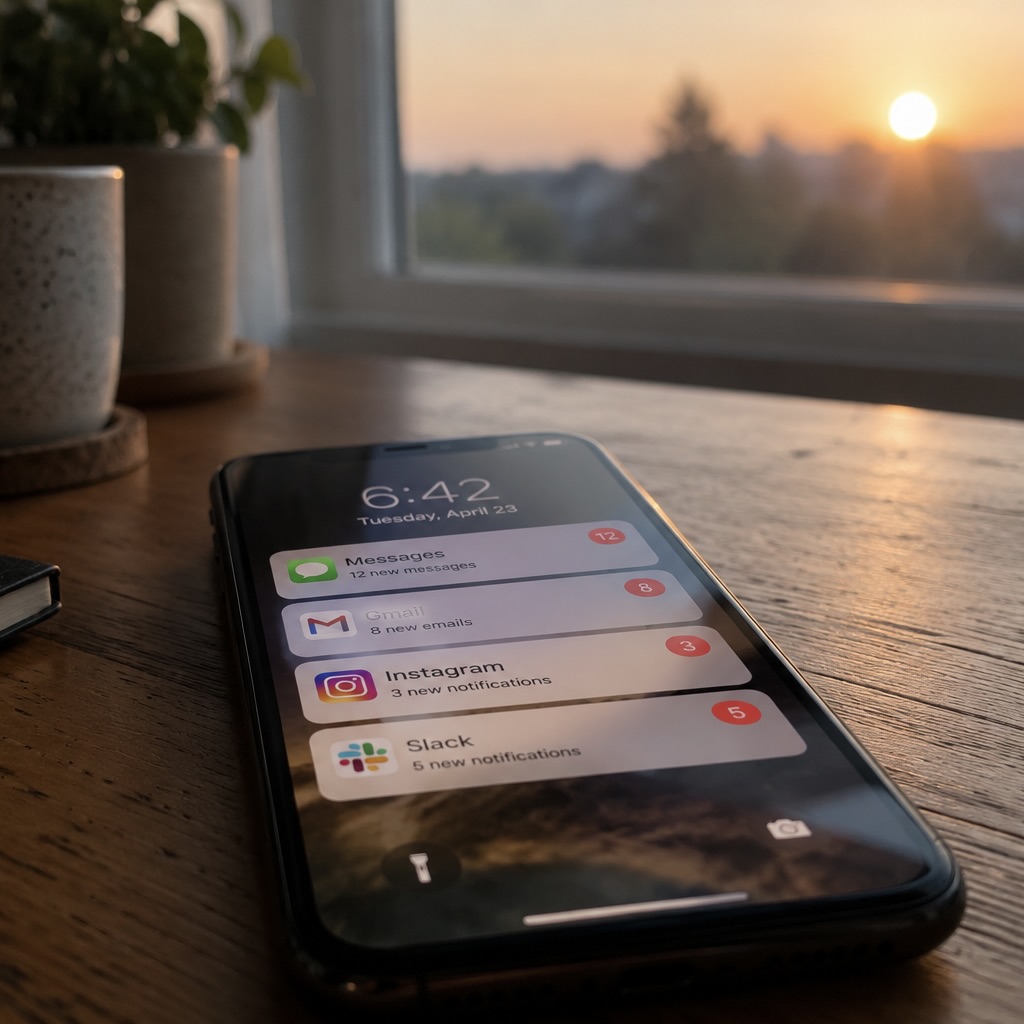
Apps congratulate us for opening them several days in a row. Games reward us for coming back tomorrow. Fitness and weight-management apps keep track of our consecutive days. Miss one, and the counter may start over.
They’re called streaks, and there is a reason they work. They help form habits. They give us a small sense of accomplishment. And, of course, they keep us coming back to the app. None of that is necessarily bad.
But I wonder if all this streak-building is also training us to think that consistency is the same thing as relationship.
It isn’t. And that matters when we open our Bibles.
A streak can tell you whether you did something. It cannot tell you why you did it – or what happened while you were there.
You can read your Bible every morning. You can complete the assigned chapters. You can check the box. You can watch the number on your Bible app climb from 30 days to 100 days to 365 days. And you can do all of that without really communing with God.
God warned His people through Isaiah:
“This people draw near with their mouth
and honor me with their lips,
while their hearts are far from me.”
– Isaiah 29.13
The problem wasn’t that they were doing nothing religious. They were. The problem was that their outward activity had become disconnected from their hearts.
That danger hasn’t disappeared. We can become very disciplined at doing Christian things without paying much attention to the God those things are supposed to draw us toward.
That doesn’t make habits bad. Discipline matters. There will be mornings when discipline gets you out of bed and into the Word when you don’t particularly feel like doing it. There is something good about developing habits that regularly put us in places where our hearts can be shaped by God’s truth.
But the habit is not the goal.
God is.
Imagine measuring your closest relationships by streaks. Talked to my wife today. Another day completed. Streak intact.
Something about that immediately feels wrong. I don’t want merely to maintain contact with my wife.
I want to know her. Listen to her. Talk with her. Share life with her. A relationship is more than repeated interaction.
When we open the Bible, there is a Person there whom we are seeking to know. God has spoken.
So the question isn’t simply, Did I read my Bible today There are better questions:
Did I listen?
Did I believe what God said?
Did I allow His Word to correct my thinking?
Did I submit myself to what He said?
Did I come to Scripture because I wanted to know Him – or merely because I didn’t want to miss a day?
Don’t confuse consistency with communion.
Keep the habit. Build the discipline. Read your Bible every day. But don’t settle for the streak.
Don’t open your Bible tomorrow merely because you opened it today.
Open it because there is a God you need to know, hear, trust, and walk with.